They say that Italian food is like a literary work: it tells a story and evokes emotion. That is certainly a hard statement to argue against. Especially when we talk about one of Italy’s hidden gems: Umbrian cuisine. Although this central Italian region does not rely on exclusive ingredients, black truffles, extra virgin olive oil, cured meats, cheeses, and herbs impress without unnecessary frills. In other words, it is an intense, rustic gastronomic journey, deeply connected to the land.
With so many qualities, Cieli di Toscana has selected for you the very essence of what you should not miss on a trip to Umbria.
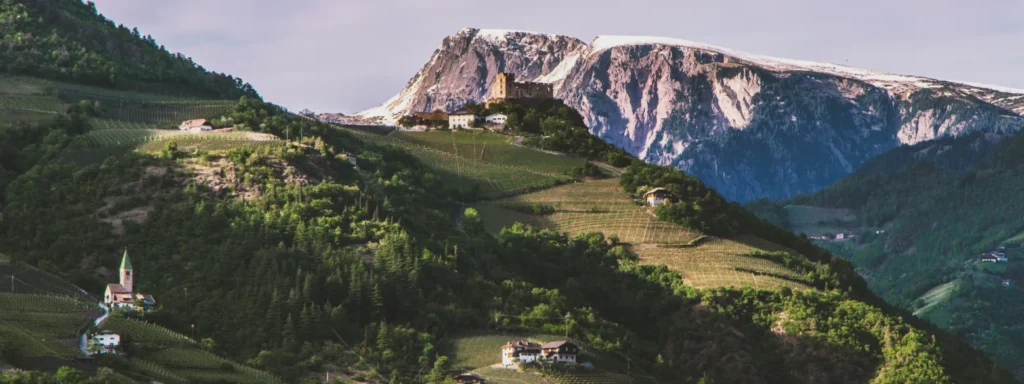
(Panoramic image of Umbria)
Umbria: the best-kept secret of Italian gastronomy.
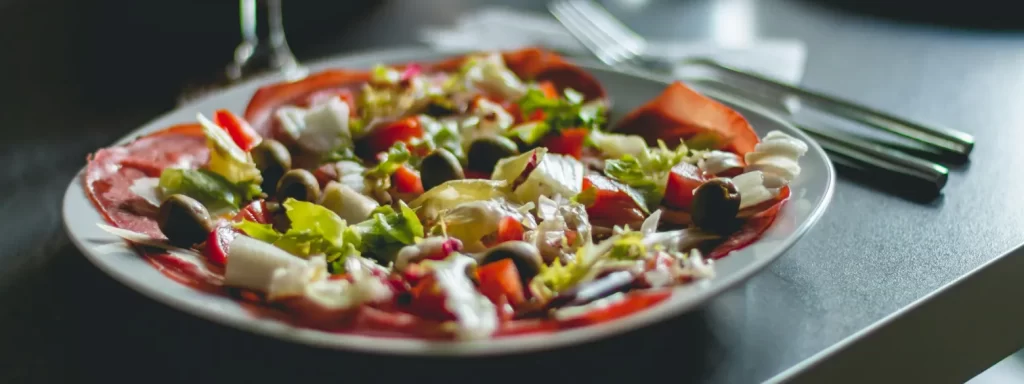
(Image showing a table with cured meats)
Authenticity. Possibly the word that best expresses this cuisine. Since it did not develop to become famous, but to be true. In other words, in this region, cooks favor long-simmered sauces, natural curing methods, and slow fermentations. Moreover, there is a rural heritage with very little romanticization and almost no concessions, because the goal is not to please those who arrive, but those who live there. It is also important to remember that Umbria has no sea. That is, the cuisine is structured around the land, around what grows slowly, what is hunted, cured, and aged.
Ingredients that strengthen a cuisine of silence.
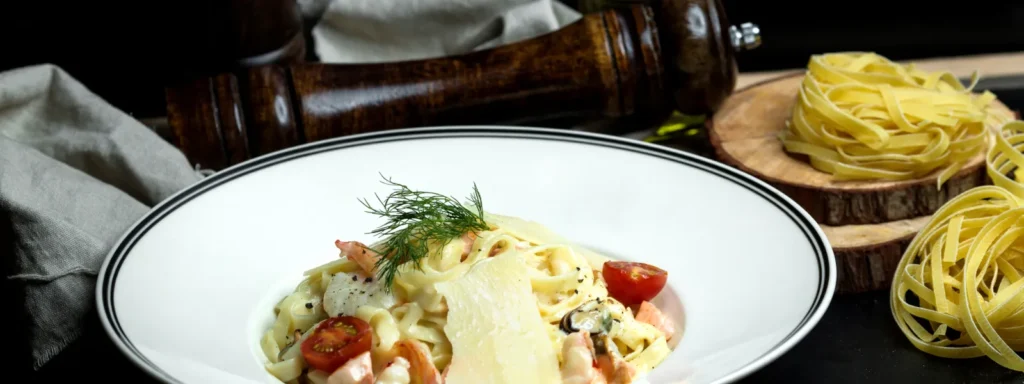
(Image of pasta)
While other regions built their reputation on exuberance, Umbria remained faithful to a cuisine that does not shout, but leaves a deep mark. In such a way that its products are direct expressions of the land, the climate, and a way of making food that takes pride in the wrinkles time has brought. In short, a gastronomic journey that above all celebrates memory.
Black Truffles.
(Image of black truffles)
A deep, earthy, almost mineral aroma conveys a sense of belonging in one of Italy’s most symbolic ingredients. Although it is an icon of Italian haute cuisine, in this region black truffles appear in simple dishes, fresh pasta, eggs, and bruschetta, where local cooks treat black truffles with absolute respect. In other words, the forest translated into its essence in recipes that are true legacies.
Umbrian Olive Oils.
(Image of bruschetta with olive oil being poured)
One of the stars of Italian gastronomy, Umbrian extra virgin olive oil is intense and green, with notes of freshly cut grass, artichoke, and almonds. However, the defining characteristic is the fact that production takes place on a small scale. As a result, there is close control that respects the nuances of each harvest, the olive variety, and the microclimate. Therefore, tasting olive oil in Umbria is about understanding the importance of harvesting at the right time and immediate extraction. In this way, tastings in centuries-old olive groves reveal how seasonality influences texture, pungency, and aroma.
Cheeses of Umbria.
(Image of pecorino cheese)
Let’s be honest: no gastronomic trip to Umbria is complete without including cheeses in the itinerary. Just to give a few examples, since the variety is vast, Caciotta, Pecorino di Norcia, and Raviggiolo are among the best known.
Caciotta has a soft texture and delicate flavor. For this reason, it pairs well with rustic bread and extra virgin olive oil, or appears melted in hot dishes. Pecorino di Norcia, on the other hand, carries herbaceous, earthy notes and an elegant saltiness. Thus, it pairs perfectly with honey, artisanal jams, and robust wines such as Sagrantino. Finally, Raviggiolo has a pure, milky flavor. That is why it is consumed just a few days after production. It is served with a spoon, accompanied by bread, olive oil, or simply a drizzle of honey. This is Italian gastronomy in its most essential state.
Unique culinary experiences in Umbria.
If your intention is to experience an immersive gastronomic journey, Umbria is more than an appropriate destination. After all, the region has never shaped itself around mass tourism.
Tasting at an artisanal norcineria.
(Image of Ansuini norcineria)
Norcia is synonymous with charcuterie. In this way, salami, cured meats, cheeses, and local wines are served without haste, as tradition dictates. For those who wish to discover an authentic norcineria, a great option is Ansuini Mastro Peppe, which has maintained typical Umbrian production since 1938, using Italian gastronomic techniques passed down through generations and products free of chemical additives, reinforcing authenticity and a strong connection to the land.
A family trattoria where tradition is the main seasoning.
(Image of La Palomba trattoria)
Offering the welcoming atmosphere of a typical Italian trattoria, La Palomba is essentially family-run. After all, it has been managed by the Cinti family since 1965 and is now in the hands of the third generation. The menu highlights Umbrian specialties, including delicious handmade umbrichelli, prepared in-house and served with different types of sauces. It is a gastronomic journey through customs, affection, and stories.
Wine tasting
(Image of a vineyard with a set table)
It is impossible to talk about Italian gastronomy without mentioning wine, of course. At Arnaldo Caprai, one of the most respected wineries in the Montefalco region, the star of the house is the Sagrantino di Montefalco DOCG, offering exceptional quality and a deeply engaging tasting experience.
Cieli di Toscana reveals all the secrets of Umbria for you.
To experience everything Umbria has to offer, there is nothing better than relying on the experience and enthusiasm of the travel designers at Cieli di Toscana. Get in touch with our team and enjoy a personalized travel itinerary that respects your pace and preferences.